In a digital media landscape overflowing with content, attention has become the most valuable currency. Viewers today are no longer satisfied with generic programming or one-size-fits-all recommendations. Instead, they expect platforms to understand their tastes, habits, and moods. This is where AI-driven personalization has emerged as a powerful force, reshaping how audiences discover, consume, and engage with content. In 2026, personalization powered by artificial intelligence is no longer optional — it is the key to unlocking sustained viewer engagement.
What Is AI-Driven Personalization?
AI-driven personalization refers to the use of artificial intelligence, machine learning, and data analytics to tailor content experiences to individual users. By analyzing viewing history, search behavior, interaction patterns, and even time of day, AI systems predict what a viewer is most likely to watch next.
Unlike traditional recommendation systems based on broad categories, modern AI personalization adapts in real time. Every click, pause, rewind, or skip refines the system’s understanding of user preferences, creating a constantly evolving viewing experience.
Why Viewer Engagement Matters More Than Ever
In an era of endless choice, viewers can switch platforms in seconds. High engagement is critical because it directly impacts:
- Watch time and session duration
- Subscriber retention and loyalty
- Advertising effectiveness
- Platform growth and revenue
Platforms that fail to capture attention risk churn, while those that deliver relevant, engaging experiences build long-term relationships with audiences.
How AI Personalization Works Behind the Scenes
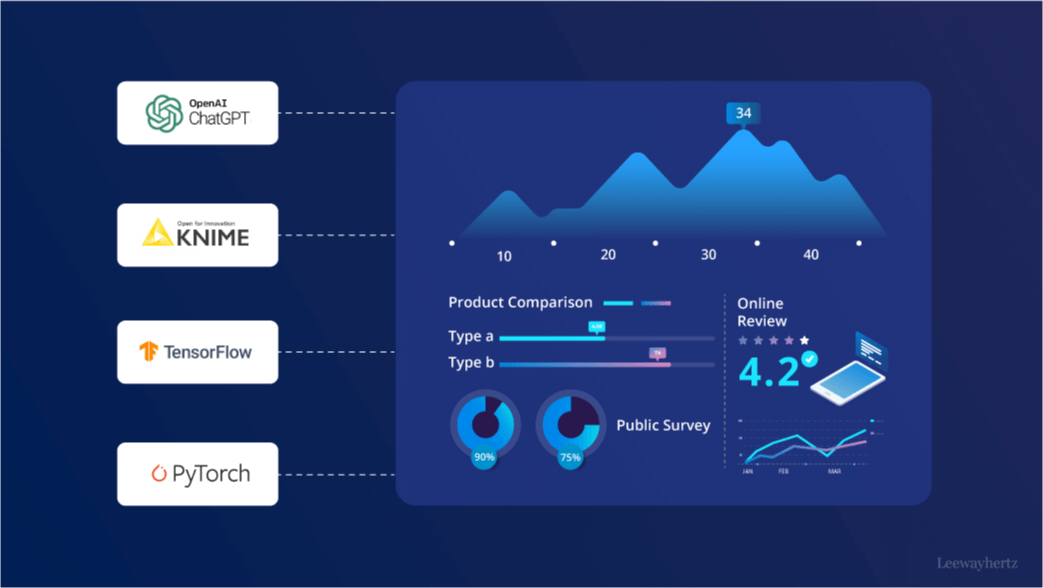
AI-driven personalization relies on several core technologies:
Machine learning models identify patterns in massive datasets, learning what content similar users enjoy.
Natural language processing analyzes descriptions, subtitles, and metadata to understand themes and tone.
Computer vision evaluates visual elements such as scenes, colors, and pacing.
Predictive analytics anticipates future behavior, suggesting content before viewers actively search for it.
Together, these tools enable platforms to deliver highly targeted recommendations at scale.
Streaming Platforms Leading the Way
Major streaming services have made AI personalization central to their success. Platforms like Netflix, YouTube, and Amazon Prime Video invest heavily in AI to keep viewers engaged.
Personalized homepages, dynamic thumbnails, and tailored notifications ensure that no two users see the same interface. This individualized approach increases the likelihood that viewers find something appealing quickly, reducing decision fatigue and drop-offs.
Beyond Recommendations: Personalization Across the Experience
AI personalization extends far beyond suggesting what to watch next.
Platforms now personalize:
- User interfaces, adjusting layout and content order
- Notifications, sending alerts at optimal times
- Marketing trailers, highlighting scenes most likely to appeal
- Advertising, aligning brands with viewer interests
By optimizing every touchpoint, AI creates seamless experiences that feel intuitive rather than intrusive.
The Role of Data and Ethics

Personalization depends on data, raising important questions about privacy and ethics. Viewers want relevant content but also expect transparency and control over how their data is used.
Successful platforms balance engagement with trust by:
- Offering clear privacy policies
- Allowing users to adjust recommendation settings
- Avoiding over-personalization that creates content bubbles
Ethical AI design ensures personalization enhances choice rather than limiting exposure.
AI Personalization in Live and Social Content
AI-driven personalization is no longer limited to on-demand viewing. Live content and social media now use AI to curate real-time experiences.
For live sports and events, AI highlights key moments based on viewer preferences. Social platforms prioritize live streams, clips, and discussions aligned with user interests, amplifying engagement during broadcasts.
This convergence of live content and personalization strengthens shared experiences while keeping them relevant to individual viewers.
Impact on Content Creators and Studios
AI personalization changes how content is produced and distributed. Creators gain insights into what resonates with audiences, guiding creative decisions. Studios can identify niche demand and invest in content with higher engagement potential.
However, creators must balance data-driven insights with originality. While AI reveals trends, storytelling still depends on creativity and risk-taking.
Advertising and Monetization Benefits
From an advertising perspective, AI-driven personalization delivers measurable value. Targeted ads reach viewers who are more likely to engage, improving return on investment.
Advertisers benefit from:
- Higher completion rates
- Improved brand relevance
- Better audience segmentation
For platforms, personalized advertising supports sustainable monetization without overwhelming users.
Challenges of AI-Driven Personalization
Despite its advantages, personalization faces challenges:
- Algorithm bias can limit diversity of content
- Over-reliance on data may reduce serendipity
- High infrastructure costs limit smaller platforms
Addressing these issues requires thoughtful design and continuous refinement.
The Future of Viewer Engagement
Looking ahead, AI-driven personalization will become even more sophisticated. Emerging trends include:
- Emotion-aware recommendations
- Cross-platform personalization across devices
- AI-generated trailers and previews tailored to individuals
As technology advances, personalization will feel increasingly natural — less like an algorithm and more like a trusted guide.
Conclusion
AI-driven personalization has become the cornerstone of modern viewer engagement. In a crowded media ecosystem, relevance is everything, and AI provides the tools to deliver it at scale. By understanding individual preferences and adapting in real time, personalization transforms passive viewers into loyal audiences. As platforms refine ethical practices and embrace innovation, AI-powered personalization will continue to define how stories are discovered, experienced, and remembered. In 2026 and beyond, engagement belongs to platforms that truly know their viewers.