For years, on-demand streaming dominated global entertainment. Viewers embraced the freedom to watch what they wanted, when they wanted, without schedules or commercials. Yet in 2026, a surprising shift is underway. Live programming is making a powerful comeback, drawing audiences back to shared, real-time experiences that streaming alone cannot replicate. From live sports and breaking news to award shows, concerts, and interactive broadcasts, viewers are rediscovering the social value of watching together — at the same time.
This resurgence reflects deeper changes in audience psychology, technology, and cultural habits.
The Decline of Appointment Viewing — and Its Limits
Streaming platforms revolutionized media consumption by eliminating appointment viewing. Binge-watching replaced weekly episodes, and algorithms replaced TV guides. While this model offered convenience, it also fragmented audiences.
Without shared schedules:
- Cultural “watercooler moments” declined
- Conversations around shows became asynchronous
- Entertainment felt more isolated and individual
Over time, many viewers began to miss the sense of collective participation that defined earlier eras of television and radio.
Why Live Programming Feels Different

Live programming creates urgency and presence. When something is happening right now, viewers feel compelled to tune in because the moment cannot be recreated later.
Live content offers:
- Unpredictability and authenticity
- Real-time emotional stakes
- The feeling of being part of a moment
Whether it’s a last-minute goal, a surprise award winner, or a breaking news event, live programming carries emotional weight that pre-recorded content struggles to match.
Sports: The Engine of Live Viewing
Sports remain the strongest driver of live programming. Fans want to experience victories, defeats, and historic moments as they unfold — not after the fact.
Live sports deliver:
- Shared excitement across millions of viewers
- Instant reactions on social media
- Emotional investment that demands real-time viewing
Because outcomes cannot be spoiled without losing impact, sports naturally resist time-shifted consumption. This makes them uniquely valuable in the modern media landscape.
News and Reality: Real-Time Relevance
Live news has also regained importance in an era of global uncertainty. During elections, conflicts, natural disasters, and economic shifts, audiences seek trusted real-time coverage.
Similarly, live reality programming — from talent competitions to live finales — thrives on immediacy. Viewers want to vote, comment, and influence outcomes as events happen, reinforcing engagement and participation.
Social Media Reignited the Live Experience

Ironically, the same platforms that helped fragment audiences are now fueling the live programming resurgence. Social media thrives on simultaneity.
Live programming aligns perfectly with:
- Live tweeting and real-time commentary
- Trending hashtags during broadcasts
- Collective memes and instant reactions
Viewers no longer watch alone. They watch while participating in massive digital conversations that extend the experience beyond the screen.
The Psychology of Shared Experiences
Humans are social by nature. Shared experiences strengthen identity, belonging, and emotional connection. Live programming taps directly into this instinct.
When audiences watch live:
- They feel connected to others
- Emotions are amplified collectively
- Memories become communal rather than individual
These shared moments create cultural reference points that persist long after the broadcast ends.
Technology Made Live Better
Advances in technology have eliminated many of live TV’s historical weaknesses. Modern live programming benefits from:
- High-definition and low-latency streaming
- Multi-device access (TV, mobile, tablets)
- Interactive features such as live polls and chats
Audiences no longer sacrifice quality or convenience to watch live. Instead, they gain interactivity and immediacy.
Streaming Platforms Embrace Live Content
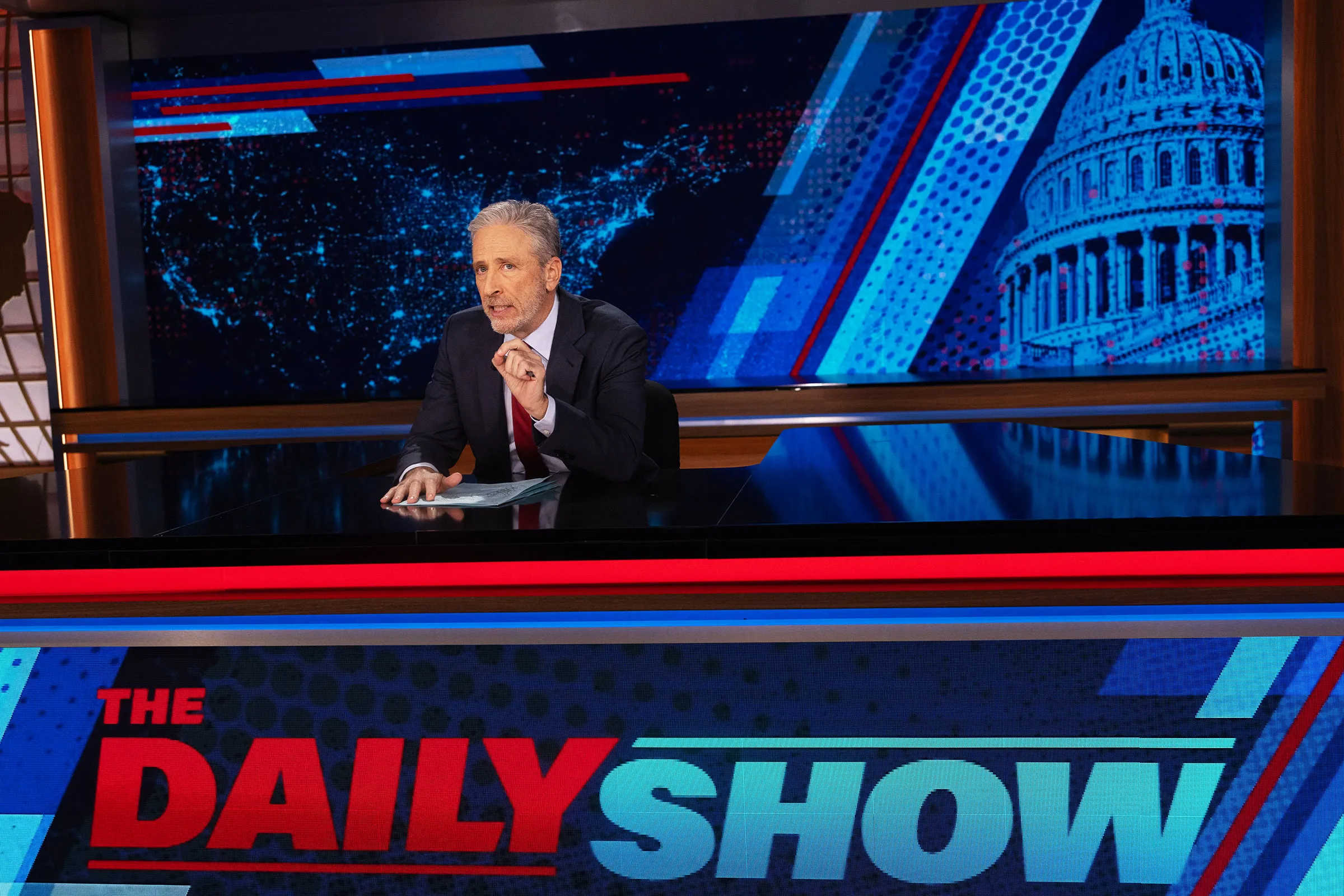
Even streaming-first platforms now recognize the value of live programming. Live sports rights, live comedy specials, real-time events, and live news formats are increasingly integrated into streaming ecosystems.
This hybrid model blends:
- On-demand libraries for flexibility
- Live events for cultural relevance
Platforms understand that live content drives subscriber retention, social buzz, and brand loyalty.
Events, Concerts, and Cultural Moments

Live concerts, festivals, and award shows have also returned as major audience magnets. Even when streamed digitally, their appeal lies in simultaneity — everyone experiences the moment together.
These events generate:
- Real-time emotional highs
- Immediate global reactions
- A sense of cultural participation
In a fragmented media environment, such moments unify audiences, even briefly.
Why Advertisers Love Live Programming
From a business perspective, live programming has regained importance because:
- Viewers are less likely to skip ads
- Attention levels are higher
- Brand messages benefit from emotional association
Advertisers increasingly favor live environments where engagement is predictable and measurable in real time.
Challenges Facing Live Programming
Despite its resurgence, live programming faces challenges:
- High production costs
- Scheduling conflicts across time zones
- Competition for attention in a crowded media space
However, its ability to create irreplaceable moments continues to justify investment.
The Future of Live Media
The future points toward event-driven entertainment. Audiences will continue to consume on-demand content for convenience, but live programming will anchor cultural moments.
Expect growth in:
- Interactive live formats
- Hybrid digital-physical events
- Global synchronized broadcasts
Live programming will not replace streaming — it will complement it by delivering what on-demand cannot: shared presence.
The resurgence of live programming reflects a deeper human desire for connection in an increasingly digital world. As audiences tire of isolated viewing, they are returning to experiences that feel communal, emotional, and real-time. Live sports, news, events, and interactive broadcasts offer something timeless — the power of watching together. In 2026 and beyond, live programming is no longer a relic of the past. It is a vital pillar of modern media, reminding audiences that some moments are meant to be shared.