
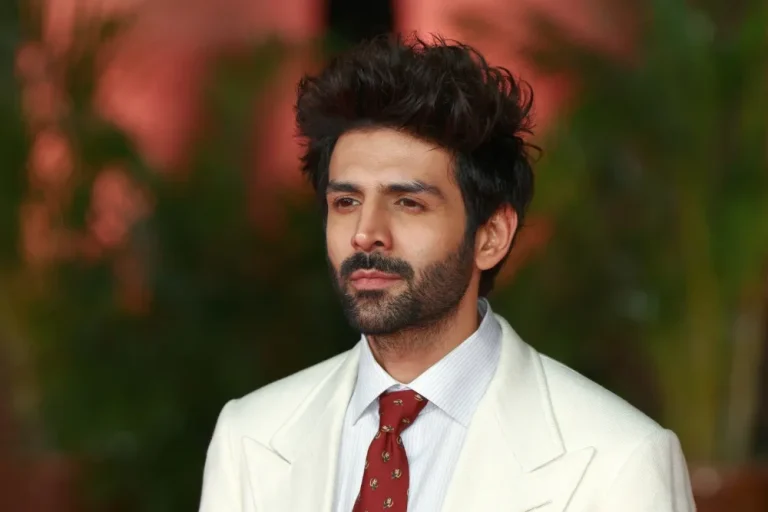
Indian actor Kartik Aaryan didn’t fear typecasting early in his career—he embraced it. During an “In Conversation” session at the Red Sea Film Festival, he openly admitted, “I wanted to be typecast. I just wanted people to watch the film and love it.” This candid remark set the tone for his debut public appearance in Saudi Arabia and highlighted the mindset that shaped his Kartik Aaryan career journey.
At the start, he said, being narrowly defined felt better than going unnoticed. “Not getting roles at all was scarier than being boxed in,” he explained with a laugh. That perspective soon led him to a turning point: the offer to star in Bhool Bhulaiyaa 2.
He initially turned it down. The project was a sequel, and the team offered it to him without a full script. He hesitated to join a franchise under those conditions. But producer Bhushan Kumar persuaded him to reconsider—a move that reshaped his career.
The film became a blockbuster and cemented Aaryan as one of Bollywood’s top commercial stars. Fans began calling him by his character’s name. “These films really changed my life,” he said. “I’m really fortunate it turned out the way we imagined—not the way I first reacted when the opportunity came.”
He also reflected on Dhamaka, the single-location thriller he shot during the height of the pandemic. With theaters shut and the industry frozen, he looked for a project he could film quickly and safely. He and the crew shot the movie in an isolated hotel over just 10 days. The role demanded intense monologues and precise timing. For Aaryan, the experience reinforced the value of trusting a director’s vision and staying adaptable.
Many call Sonu Ke Titu Ki Sweety (2018) his true breakthrough. But Aaryan rejects the idea of “overnight success.” “That night came after seven years,” he said, recalling years of auditions, rejections, and slow progress.
Throughout his talk, he framed his rise as conviction—not luck. When someone asked if he ever doubted himself, he said no—though he knows others might see that as overconfidence. “That belief system has worked for me,” he said, crediting passion, patience, and what he describes as manifestation.
He proudly calls himself “an outsider.” Unlike many Bollywood stars, he has no family ties to the film industry. “I’m proud to be that outsider who carved his own audience,” he stated, noting how festivals like Red Sea help Indian cinema reach global viewers.
Now a leading man, Aaryan picks projects based first on script quality—“the most important pillar of any film”—and second on his trust in the director. Whether he stars in a rom-com like Luka Chuppi or an experimental upcoming film, he aims to balance mass appeal with emotional depth. “Even in blockbuster cinema, gravitas matters,” he insisted.
He ended the conversation by rejecting the idea of a finished legacy. “This script isn’t completed yet,” he said. “It’s still being written.”
