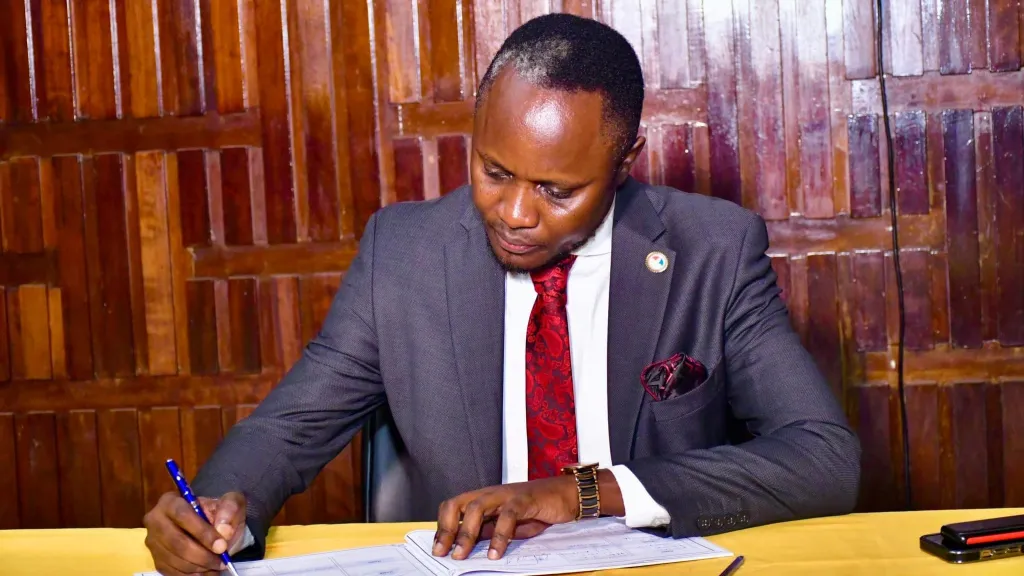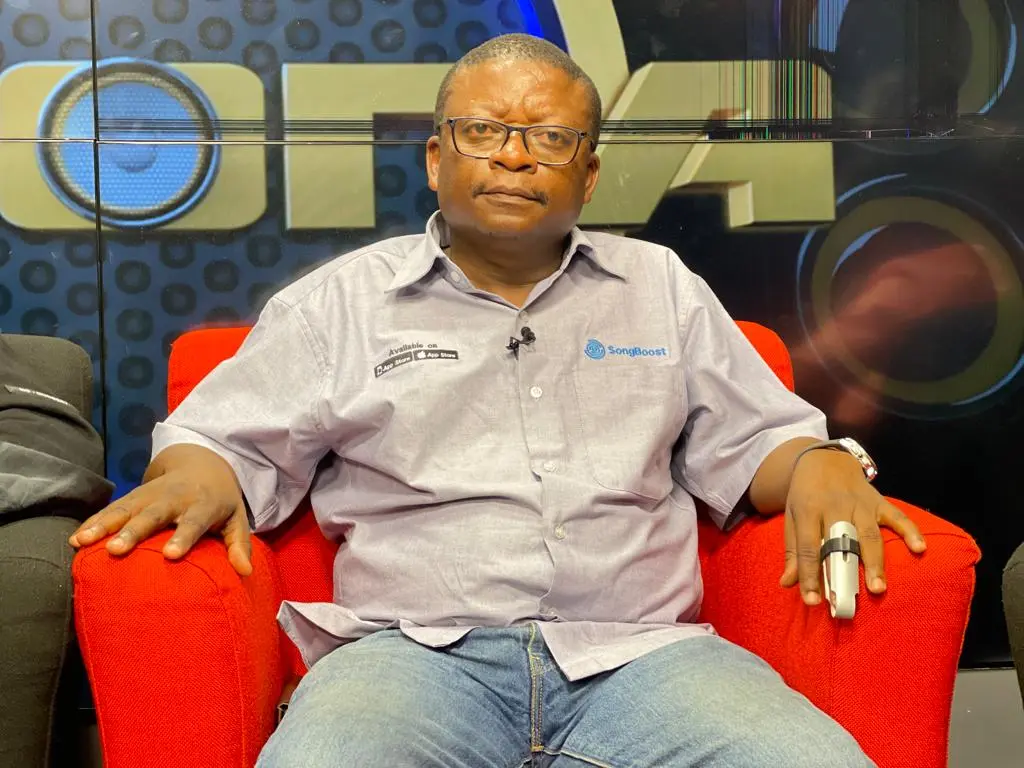
Eddy Sendi has advised Eddy Kenzo, the President of the Uganda National Musicians Federation (UNMF), to seek guidance from a legal expert when addressing matters related to copyright law. Sendi’s remarks come after Kenzo stated in several interviews that the recently approved Copyright and Neighbouring Rights Bill had immediately come into force. However, the legal process is more complex than Kenzo suggested.
While acknowledging that Parliament’s approval is a significant milestone for the creative industry, Sendi clarified that the process is not yet complete. According to Sendi, the bill must first be forwarded to the President for assent before it becomes law. After being signed, it is then returned to the Ministry of Justice and Constitutional Affairs. There, detailed regulations for enforcement, distribution of royalties, and implementation are developed. These regulations often involve agencies such as the Uganda Registration Services Bureau (URSB). Therefore, celebrating the Uganda copyright law too early could create false expectations among artists.
Sendi’s Detailed Explanation
“I think Eddy Kenzo needs a legal advisor to help him when it comes to certain matters,” Sendi explained. “Besides being the President of UNMF, he is just a singer, and his knowledge is limited to a certain extent. When Parliament approves the law, it is forwarded to the President for signing and later returned to the Ministry of Justice, where regulations on enforcement and distribution are formulated.”
Sendi’s comments highlight the gap between legislative approval and actual implementation. Many laws require detailed regulations before they can function effectively. The Copyright and Neighbouring Rights Bill is no exception. Consequently, artists should understand that the Uganda copyright law will take time to become fully operational.
Registration Remains Crucial
Sendi also cautioned that artists who are not registered with the Uganda Performing Rights Society (UPRS) may not fully benefit from the law once it takes effect. He emphasized the importance of formal registration and compliance within the industry. Without registration, artists cannot collect royalties even when legal protections exist.
This warning addresses a practical concern. Many Ugandan musicians operate informally. They may not have registered their works or joined collecting societies. When the Uganda copyright law finally becomes operational, only registered members will receive distributions. Therefore, artists should use this waiting period to ensure their affairs are in order.
Implications for the Creative Industry
The Copyright and Neighbouring Rights Bill represents years of advocacy by Ugandan creators. It aims to strengthen protections for musicians, writers, and other artists. The bill addresses long-standing issues with royalty collection and enforcement. However, as Sendi notes, approval is only one step.
The regulations phase will determine how effectively the law works in practice. Key questions include how royalties will be collected, who will distribute them, and what enforcement mechanisms exist. These details matter enormously. Poorly designed regulations can undermine even the best legislation. Therefore, artists should engage with the regulation development process.
Kenzo’s Role as UNMF President
Eddy Kenzo has been a prominent advocate for musicians’ rights in Uganda. His leadership of UNMF has raised the profile of creative industry issues. However, Sendi’s comments suggest that technical legal knowledge differs from advocacy skills. Kenzo’s enthusiasm for the bill’s approval is understandable. Nevertheless, accurate information about the legislative process serves the industry better than premature celebration.
The distinction between parliamentary approval and presidential assent matters legally. Until the President signs, the bill has no force. Even after signing, regulations must be drafted and approved. This process can take months. During this time, artists should prepare for the new regime without assuming it already exists.
The creative industry should monitor the next steps carefully. Presidential assent typically follows parliamentary approval, but timing varies. Once signed, the Ministry of Justice will begin drafting regulations. Stakeholders, including UNMF, should participate in this process. Their input can shape how the Uganda copyright law functions in practice.
The UPRS also has work to do. The society must prepare for expanded responsibilities under the new law. It needs systems to register more works, collect royalties, and distribute payments. Building these systems takes time and resources. Artists who register now will be ready when distributions begin.
Sendi’s advice ultimately serves the industry’s long-term interests. Accurate understanding of the legal process prevents disappointment. It also encourages constructive engagement with implementation. The Uganda copyright law represents progress, but its benefits will only materialize through proper execution. Artists should celebrate milestones while remaining focused on the work ahead.