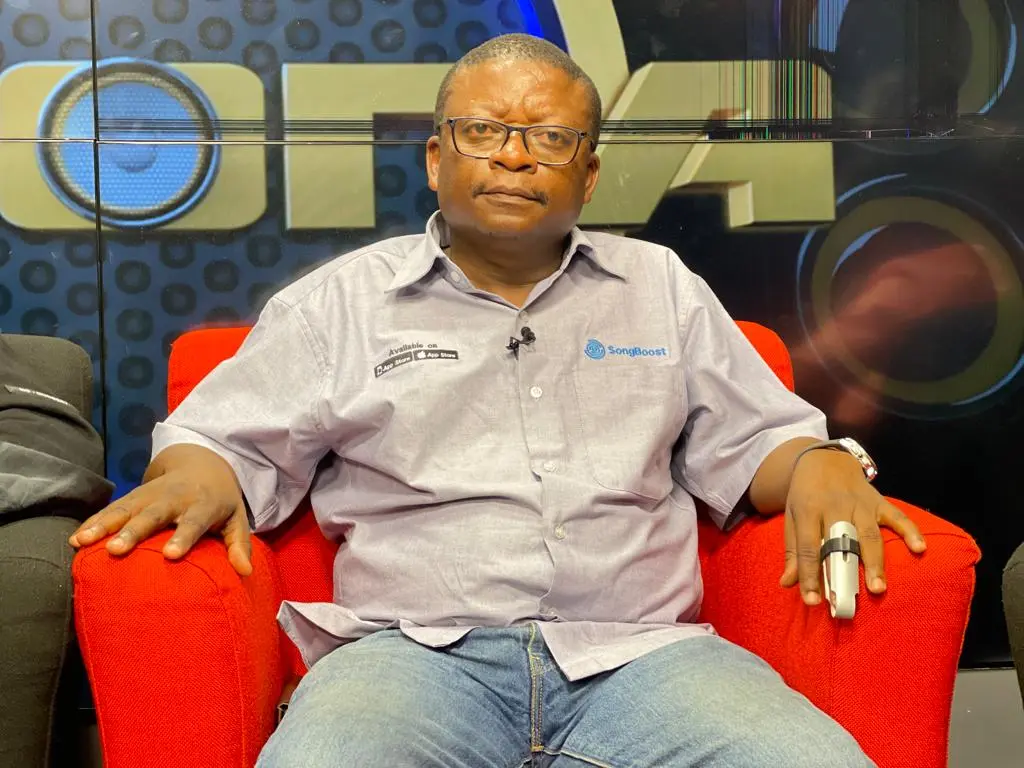
A fresh debate has emerged around Uganda’s newly approved Copyright Amendment Bill. Mawokoto North MP Hillary Kiyaga, popularly known as Dr. Hilderman, has clarified key details that could disappoint some veteran musicians. Speaking on NTV Uganda after Parliament passed the Copyright and Neighbouring Rights (Amendment) Bill, 2025, Hilderman stressed that the law will not apply retroactively. This means artists who previously signed contracts and transferred ownership of their music rights cannot reclaim them under the new legislation.
He gave a clear example, noting that rights purchased by Salim Saleh and Kasiwukira from artists like Paul Kafeero will remain valid. These agreements were made before the bill came into effect. Therefore, the Uganda copyright amendment does not undo past transactions. Artists must understand this limitation to avoid false hope.
Countering Earlier Statements
Hilderman’s remarks appear to counter earlier sentiments from Eddy Kenzo, the president of the Uganda National Musicians Federation (UNMF). Kenzo had suggested that once the bill is signed into law by the president, veteran artists who sold off their catalogs years ago could regain ownership of their work. However, Hilderman clarified that this will not be the case.
According to Hilderman, the law does not revisit past agreements. Instead, it takes effect moving forward, from the moment it is assented to and its regulations are implemented. “Those artists will need to create new music and start afresh,” he explained. Older works remain bound by the original contracts under which they were sold. Consequently, the Uganda copyright amendment offers no relief for past transfers.
What the Law Actually Does
The legislator added that the amendment is designed to protect artists who still retain full ownership of their music. It also safeguards the rights to future works. In essence, while the new law strengthens protections within the industry, it offers little relief for artists hoping to recover rights lost under earlier deals. This distinction matters enormously for understanding the bill’s impact.
The amendment introduces stronger enforcement mechanisms and clearer rules for royalty collection. It addresses long-standing grievances about how the music industry operates. However, it cannot rewrite history. Contracts signed in good faith remain valid. Purchasers who invested in catalogs retain their rights. Therefore, the Uganda copyright amendment creates a new framework going forward without disturbing settled arrangements.
Implications for Veteran Artists
For veteran musicians who sold their rights years ago, the news is disappointing. Many hoped the new law would restore ownership of their life’s work. Artists like Paul Kafeero, whose catalog was purchased, will not see those rights return. Their families will continue receiving whatever the original contracts provide.
The only path forward for these artists is to create new music. Works created after the law takes effect will enjoy the new protections. Veteran artists who remain active can benefit from these provisions. However, their legacy catalogs remain in the hands of purchasers. This reality underscores the importance of understanding contracts before signing them.
Kenzo’s Role Clarified
Eddy Kenzo’s earlier statements created expectations that the law could not meet. As UNMF president, his words carry weight in the creative community. However, the legal details differ from his public comments. The Uganda copyright amendment demonstrates why technical legal knowledge matters when discussing legislation.
Kenzo’s advocacy helped bring the bill to Parliament. His efforts deserve recognition. Nevertheless, celebrating the law requires understanding its actual provisions. Hilderman’s clarification serves an important educational function. Artists can now adjust their expectations accordingly.
Looking Forward
The copyright amendment represents progress for Uganda’s creative industry. Stronger protections will benefit future generations of artists. However, the law cannot fix past mistakes or regrettable contracts. Artists who sold their rights made binding agreements. Those agreements remain enforceable regardless of new legislation.
Artists currently holding their rights gain significant advantages. Their works will enjoy enhanced protection under the new framework. They can register with collecting societies and receive royalties. They can license their catalogs with confidence. The Uganda copyright amendment makes their position stronger.
For purchasers of music rights, the law provides certainty. Investments made in good faith remain secure. The contracts they signed remain valid. This stability encourages continued investment in Ugandan music. Without it, purchasers might hesitate to acquire catalogs from emerging artists.
Next Steps
The bill now awaits presidential assent. Once signed, the Ministry of Justice will develop regulations. These regulations will determine how the law functions in practice. Stakeholders should engage with this process to ensure effective implementation.
Artists should use this waiting period wisely. Those who own their rights should register them properly. Those who sold rights should consider creating new works. Everyone should educate themselves about the law’s actual provisions. The Uganda copyright amendment offers real benefits, but only to those who understand and use it correctly.