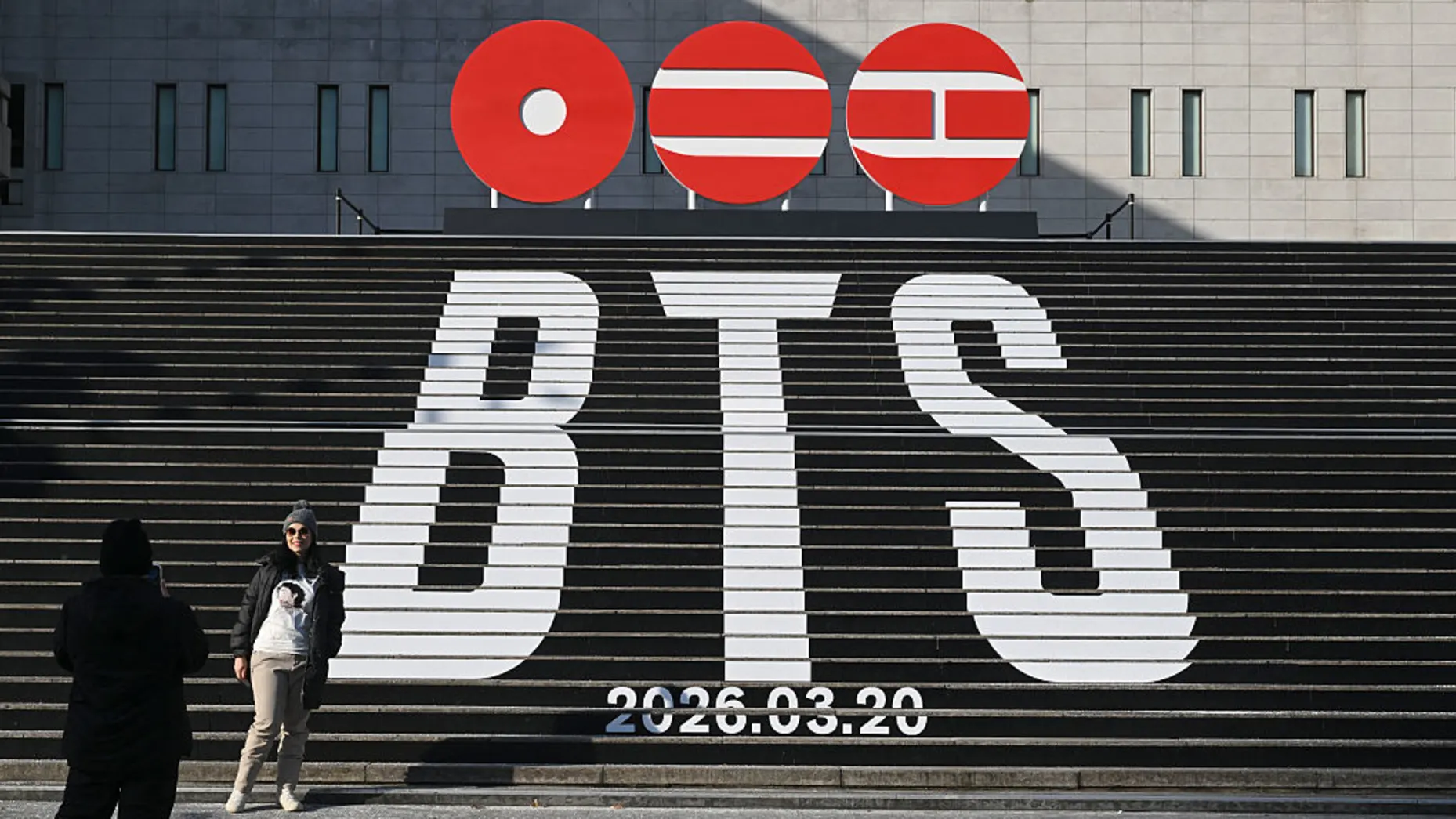
The upcoming global comeback tour by K-pop supergroup BTS is supercharging concert tourism worldwide. The “Arirang” tour, spanning April 2026 to March 2027 across 34 cities in Asia, North and South America, Australia, Europe, and the UK, has triggered dramatic increases in travel demand. This wave highlights how major artist returns can reshape short-term tourism patterns.
Tickets for the BTS comeback tour sold out in just 20 minutes despite tripled inventory compared to previous tours. The rapid sellout reflects intense fan enthusiasm following the group’s hiatus. Resale prices soared as a result. Some tickets on StubHub reached nearly $7,276, up to 40 times face value.
Travel platforms recorded sharp spikes immediately after the January 13, 2026, announcement. Hotels.com reported a 155% rise in searches for Seoul and a 2,375% increase for Busan in South Korea within 48 hours. Booking.com noted a 6,700% year-on-year surge for Kaohsiung, Taiwan, around the November 19 tour date.
These figures illustrate the power of concert tourism. Fans often book flights and hotels simultaneously with tickets. Consequently, host cities experience concentrated spending bursts rather than prolonged visitor flows.
Rapid Sellouts and Secondary Market Frenzy
The BTS comeback tour’s speed in selling out surpassed their 2021-2022 “Permission to Dance” run, which took 5-6 hours. Technical issues and high competition left many fans empty-handed. As a result, the resale market exploded.
High demand also strained accommodations. Hotels near major transit hubs in South Korea sold out quickly on tour dates. Some properties charged more than double standard weekend rates, according to local reports.
Prudence Lai, a consultant at Euromonitor International, explains the phenomenon. Concert tourists view these events as “once-in-a-lifetime” opportunities. This mindset drives willingness to pay premium prices for proximity and convenience.
Ben Kruger, Chief Marketing Officer at Event Tickets Center, adds perspective. He notes that BTS announcement searches far exceeded those for annual events like Coachella. The scarcity factor creates urgency that annual festivals lack.
Host Cities See Short-Term Economic Boosts
Concert tourism delivers sharp but brief economic impacts. Fans typically arrive just for the show, focusing spending on hotels, transport, and food near venues. Hotels.com data showed strong demand for three- and four-star properties close to concert sites.
Travelers prioritize cost, safety, and service consistency alongside location. Many seek basic, reliable stays rather than luxury experiences. Lai describes these visitors as similar to business travelers adding leisure elements—practical and event-focused.
Some hotels adapt proactively. In Spain, Palace Hotel Madrid prepared concierge teams to assist with transportation and dining for overlapping tours by BTS and Bad Bunny in June 2026.
Other major tours contribute to the concert tourism trend this year. Bruno Mars, Harry Styles, and K-pop group EXO also draw international crowds. However, BTS’s scale and global reach set it apart.
Broader Implications for Travel Industry
The BTS comeback tour reinforces concert tourism as a key growth driver. Trip.com identifies it as one of the travel sector’s most lucrative segments in 2026. Spillover effects benefit local economies through increased hospitality and retail activity.
Fans extending stays add further value. These “add-on” visitors behave like leisure extensions of a core purpose trip. They support restaurants, attractions, and transport beyond event days.
Challenges remain for host cities. Sudden demand spikes strain infrastructure and inflate prices. Coordinated planning helps maximize benefits while managing overcrowding.
The BTS comeback tour demonstrates music’s enduring power to mobilize travel. With sold-out shows and surging searches, it promises significant short-term boosts across diverse regions. As fans plan journeys, host destinations prepare for the concentrated influx that defines modern concert tourism.